Is Stem Cell Therapy Effective for Knees?
As more people search for alternatives to invasive surgery, stem cell therapy has emerged as a promising non-surgical option to potentially repair damaged tissues and restore joint function. But is it truly effective for knees? This article dives into how stem cell therapy works, its effectiveness, benefits, limitations, and what the latest scientific evidence suggests. In recent years, Stem Cell Therapy in Dubai has gained remarkable attention, particularly among individuals suffering from chronic knee pain and degenerative joint conditions.
Understanding Knee Problems and Conventional Treatments
The knee is one of the largest and most complex joints in the body, responsible for supporting weight, facilitating movement, and providing stability. Due to its role, it’s highly prone to wear and tear, injuries, and degenerative conditions like osteoarthritis.
Common Knee Conditions:
Osteoarthritis (OA) – Degeneration of cartilage due to aging or stress.
Rheumatoid Arthritis – An autoimmune condition affecting joint linings.
Meniscus Tears – Injuries to the cartilage cushion in the knee.
Ligament Injuries – Damage to ACL, MCL, or other key ligaments.
Patellar Tendonitis – Inflammation of the tendon connecting the kneecap to the shinbone.
What Is Stem Cell Therapy?
Stem cell therapy is a form of regenerative medicine that uses the body’s own healing cells to repair damaged tissues. The most commonly used stem cells for knee treatments are mesenchymal stem cells (MSCs), which are usually harvested from bone marrow or adipose (fat) tissue.
These cells are known for their ability to:
Differentiate into cartilage, bone, and ligament tissue.
Reduce inflammation.
Release bioactive molecules that stimulate healing.
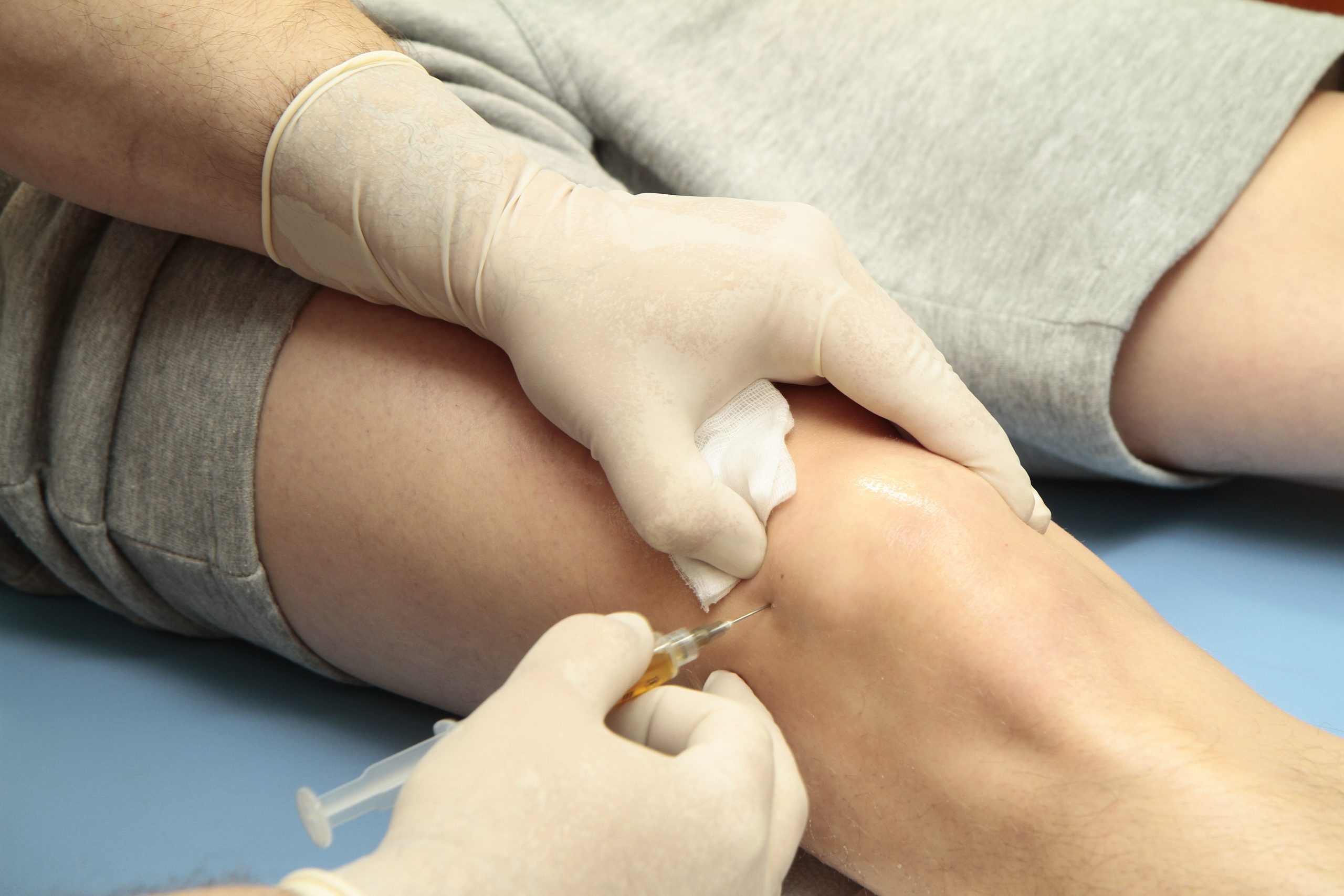
Once harvested, the stem cells are processed and re-injected directly into the damaged area of the knee under imaging guidance.
How Does Stem Cell Therapy Work for Knees?
The aim of stem cell therapy is not to completely regenerate the joint like new, but to reduce inflammation, stimulate natural repair, and delay or prevent the need for surgery.
Here’s how it works:
Extraction – Stem cells are drawn from bone marrow or fat tissue.
Processing – Cells are isolated and prepared in a lab.
Injection – Cells are reintroduced into the knee joint.
Regeneration – Cells begin interacting with local tissues to promote repair and reduce inflammation.
What Does the Research Say?
Stem cell therapy is still considered experimental in many countries, but early clinical results are promising.
Advantages of Stem Cell Therapy for Knees
Non-Surgical Alternative
For patients hesitant about knee replacement, stem cell therapy provides a non-invasive option that avoids surgical risks and lengthy recovery times.
Natural Healing
The therapy utilizes the patient’s own cells, reducing the risk of immune rejection and promoting organic tissue regeneration.
Minimal Downtime
Most patients can resume light activity within a few days. There’s no need for extended hospitalization or rehabilitation in many cases.
Pain and Inflammation Relief
Many patients report a significant decrease in knee pain and joint inflammation following the treatment.
Delay Surgery
For younger patients or those not yet ready for surgery, stem cell therapy may serve as a bridge to delay more invasive procedures.
Limitations and Considerations
Despite its potential, stem cell therapy is not a miracle cure and has several limitations:
Not FDA Approved for OA Treatment in Some Countries: While stem cells are used in research and experimental settings, some regulatory bodies have yet to fully approve them for widespread use in arthritis.
Variability in Outcomes: Results can vary depending on the severity of the condition, age, overall health, and the source of stem cells.
Lack of Standardization: Different clinics use different techniques, making results difficult to compare across studies.
Temporary Relief: In many cases, symptom improvement may be temporary, especially if the underlying degeneration is severe.
Who Is an Ideal Candidate?
Stem cell therapy is generally recommended for individuals with:
Mild to moderate knee osteoarthritis
Chronic knee pain not responding to conservative treatments
Meniscus or cartilage injuries
Partial ligament tears
Younger patients or those unfit for surgery
It may not be suitable for patients with severe bone-on-bone arthritis, extensive joint damage, or advanced age-related degeneration.
What to Expect After the Procedure
Recovery from stem cell therapy is typically straightforward:
Day 1–3: Mild soreness or swelling at the injection site.
Week 1–2: Gradual reduction in pain and inflammation.
Month 1–3: Improved mobility, reduced stiffness.
Up to 12 months: Continued regeneration and strengthening of the joint.
Most patients begin to see noticeable improvements within 4–8 weeks. However, full effects may take several months to manifest.
FAQS
Is stem cell therapy safe?
Yes. When performed by trained professionals using the patient’s own cells, it has a strong safety profile. Minor risks include soreness, infection at the injection site, or no improvement.
How long does it take to feel better?
Most patients report improvement in pain and mobility within 4 to 8 weeks, with peak benefits seen at around 3 to 6 months.
How many injections are needed?
Often, a single injection is sufficient, though some cases may require two or more, depending on severity and response.
Are the results permanent?
Not always. Results can last several months to a few years. Maintenance therapy may be recommended.
Can it help with bone-on-bone arthritis?
Stem cell therapy is less effective in advanced cases where cartilage is severely depleted. It may offer some pain relief, but surgical options might still be necessary.
Final Thoughts
Stem cell therapy represents an exciting frontier in the management of knee pain and joint degeneration. While not a silver bullet, it offers a scientifically backed, minimally invasive option for individuals looking to enhance mobility, reduce pain, and delay surgery.